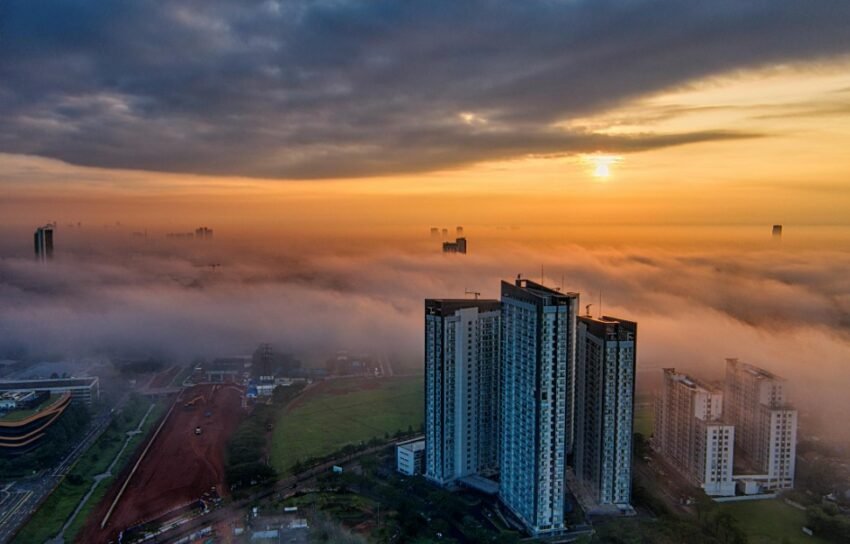
What's the weather? According to the BMKG, weather is a relatively short state of physical atmosphere at one point and a particular place in a relatively short period of time. Simply put, the weather is the air conditions we feel every day. — hot, cold, rain, windy, or sunny. Different weather from climate which is a average long term weather pattern. To monitor the actual weather of your day, come visit. weather..
Expert and BMKG
What is weather by various authoritative sources? According to the BMKG: "The weather is a state of air at a particular time and in a particular area of relatively narrow and short time." According to WMO (World Meteorological Organization): The weather is an observable atmospheric state at a certain point, including temperature, pressure, wind, moisture, and precipitation. According to the dictionary of meteorological science: weather is the state of the atmosphere at a time and place determined by unsurpassed interactions of meteorology such as temperatures, wind, moisture, clouds and rain. Key elements in weather definition: always bound in certain times (daily, times), bound to certain locations (per city, per region), are dynamic and changing, involving some elements of meteorology at once, observed and scientifically measured by meteorology tools. Example of the correct use of weather: "The Jakarta Weather today is cloudy at 32 ° C." "The weather this evening predicted heavy rain." "The weather at the Bogor Summit is currently foggy with 16 ° C." Consequently, what the weather means to the core is: atmospheric conditions that can be measured, observed, and practiced to help everyday life. Cuaca.in presents hourly forecast weather based on BMKG data and global weather models. Monitor on weather.. Look too The weather is in the next 7 days.
Factor that affects the Weather in Indonesia · Global Voices
Understanding what weather means also means understanding factor- factor of what formed it in Indonesia. First factor: Geographic Position — Indonesia is in the equator so it accepts sunlight almost perpendicular throughout the year. It makes Indonesia consistently hot and humid. Second factor: Monsoon Wind — Indonesia is affected by two different seasons. West Monsoon brings rain from Asia. East Monsoon (April-September) brings dry air from Australia. Third factor: Topo — The existence of mountains and volcanoes in Indonesia creates huge weather variations. The slopes of the mountains are more moist, the lowlands are hotter. Fourth factor: Ocean — Indonesia surrounded by oceans that regulate air temperature and provide water vapor for rain. Number five factor: El Niño and La Niña. — Global climate phenomena that affect Indonesian weather patterns. El nino. La Niña. Additionally, understanding of what weather and factor- factors are effective in anticipating weather change and meteorological mitigation. Watch the weather at weather..

